May 21, 2026
Selecting the perfect materials for your home is a transformative journey that balances aesthetic desires with practical requirements. The choices you make during the planning phase will dictate the longevity, durability, and overall feel of your living space for decades to come. By focusing on quality components and proper species selection, you ensure that your hardwood floor installation becomes a timeless investment in your property’s value.
Evaluating Wood Species and Hardness
The first and perhaps most critical decision involves selecting the specific species of wood, as this dictates the floor's color, grain pattern, and resistance to wear. Hardness is measured by the Janka scale, which determines the force required to embed a steel ball into the wood; for instance, Red Oak is the industry benchmark, while species like Brazilian Cherry or Hickory offer much higher resistance to dents. Homeowners with high-traffic households, particularly those with large pets or active children, should prioritize harder species to ensure the hardwood floor installation maintains its pristine appearance over time. Conversely, softer woods like Pine or Cherry provide a unique, warm character but may develop a "distressed" look more quickly through natural indentations.
Understanding Solid vs. Engineered Construction
Choosing between solid and engineered wood depends largely on the environment of your home and the specific location of the install. Solid wood is a single, thick piece of timber that offers the classic feel and the ability to be sanded and refinished multiple times over its lifespan. According to This Old House, most solid wood flooring is ¾” thick. This substantial thickness allows for significant longevity, though solid planks are prone to expansion and contraction in response to humidity changes. Engineered wood, on the other hand, consists of a real wood veneer atop layers of high-quality plywood, providing superior stability in basements or regions with high moisture levels where solid wood might warp.
Selecting Plank Width and Grain Patterns
The visual scale of your room is heavily influenced by the width of the planks and the way the wood was sawn at the mill. Wide planks are currently trending for their ability to make a space feel more expansive and rustic, though they require careful climate control to prevent gapping. Traditional narrow strips offer a more formal, classic look that often feels more stable in varying environments. Furthermore, you should consider the grain pattern—plain-sawn wood features a cathedral-like grain, while quarter-sawn or rift-sawn wood offers straight, linear grains that are not only visually distinct but also more dimensionally stable. Each choice significantly impacts the final architectural "voice" of your hardwood floor installation.
Comparing Factory-Finished and Site-Finished Options
Deciding when and where the wood receives its protective coating is a major logistical and aesthetic factor. Factory-finished (prefinished) flooring arrives with a durable, multi-layer UV-cured topcoat applied in a controlled environment, allowing for a faster and cleaner install process. Site-finished flooring, however, involves installing raw wood and then sanding and staining it inside your home, which creates a perfectly flat, seamless surface without the "micro-beveled" edges found on prefinished products. While site-finishing allows for limitless custom color options, many homeowners choose prefinished materials for their hardwood floor installation to avoid the dust, odors, and extended drying times associated with on-site chemicals.
Determining the Appropriate Underlayment and Subfloor Needs
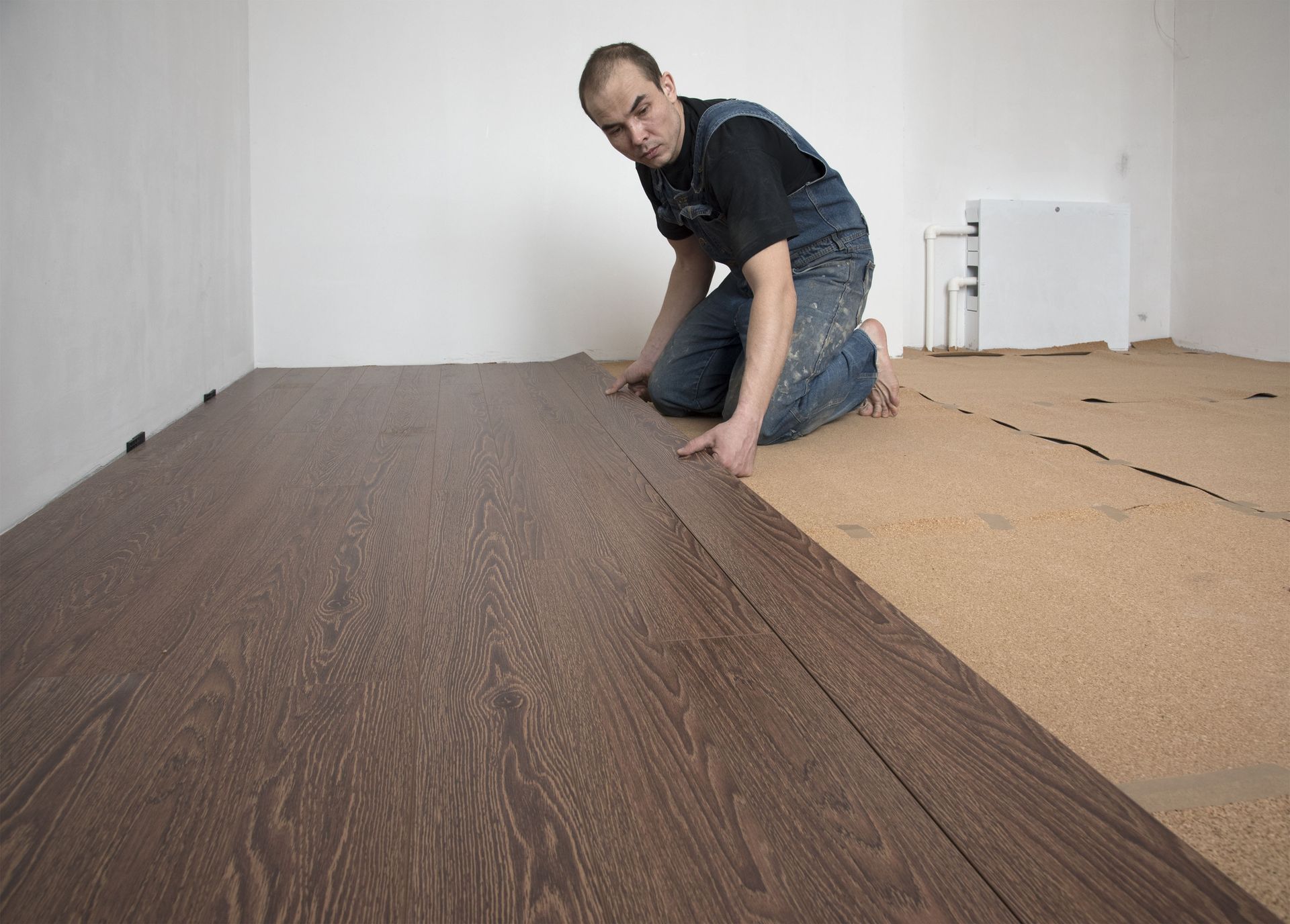
A beautiful floor is only as good as the foundation it rests upon, making subfloor preparation and underlayment selection vital. If your subfloor is plywood, you have the flexibility to nail or staple down your planks, whereas a concrete subfloor typically requires an engineered product that can be glued or "floated." Underlayments serve various purposes, from providing a moisture barrier to enhancing sound dampening and adding a slight cushion underfoot. Neglecting these hidden materials can lead to squeaky boards or moisture damage that compromises the entire hardwood installation. Always consult with a professional to ensure your subfloor is level, dry, and structurally sound before a single plank is laid.
Choosing the Right Finish and Sheen Level
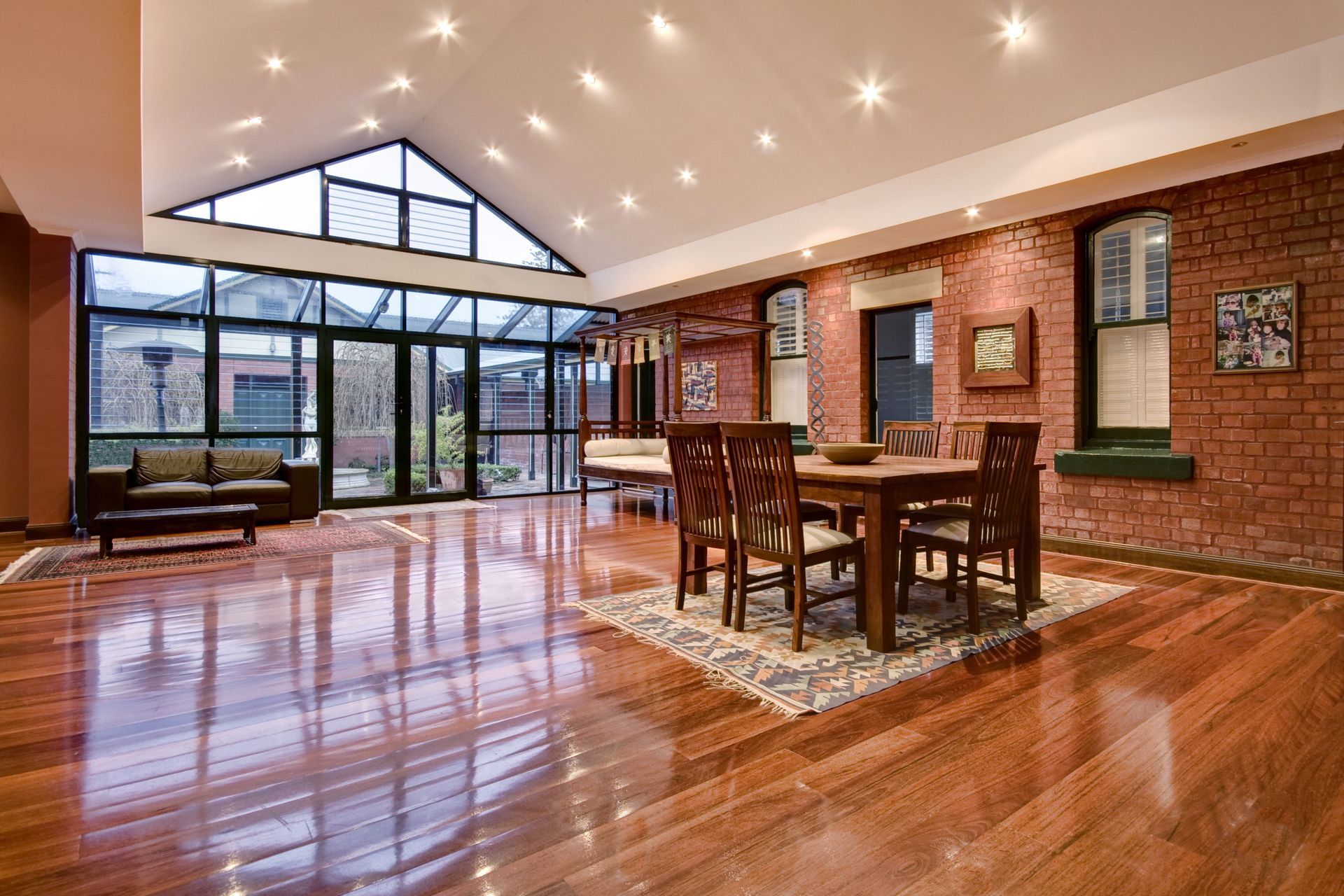
The finish is the "armor" of your floor, protecting the organic material from spills, scratches, and UV light. Polyurethane finishes are the most common, available in both water-based versions (which dry clear and fast) and oil-based versions (which provide a warm, amber glow but take longer to cure). Beyond traditional polyurethane, many homeowners are exploring hard-wax oils that penetrate the wood fibers rather than sitting on top, offering a more tactile and organic feel. You must also select a sheen level—ranging from high-gloss to matte—keeping in mind that glossier finishes tend to highlight every speck of dust and minor scratch.
Modern matte or "satin" finishes are increasingly popular because they hide wear-and-tear effectively while maintaining a natural wood look. Choosing a lower sheen can be particularly forgiving in households with high sunlight exposure, as it diffuses the light rather than reflecting it off imperfections. Furthermore, certain specialty finishes now include aluminum oxide for enhanced abrasion resistance, providing an extra layer of defense against heavy foot traffic and pet claws. The right finish ensures that your hardwood floor installation remains a low-maintenance feature of your home for years, preserving the wood's structural integrity while simplifying your daily cleaning routine with a surface that stays resilient against the elements.
Factoring in Trim and Transition Pieces
A truly professional look is achieved through the details, specifically the trim, baseboards, and transitions that bridge the gap between different flooring types. When ordering your primary wood, it is essential to source matching T-molding, reducers, and stair nosing to ensure a cohesive aesthetic throughout the house. Often, homeowners forget to account for the height difference between their new wood and existing tile or carpet, which can create tripping hazards if not addressed with the correct transition strips. This elevation change is particularly critical in doorways where thick planks meet thinner substrates.
Beyond safety, these components hide the necessary expansion gaps required for the wood to breathe, preventing unsightly visible edges near walls or cabinetry. By pre-planning these accessories, you avoid the frustration of mismatched wood grains or "close enough" stains that can distract the eye and cheapen the final result. Integrating these finishing touches into your initial material order prevents delays and ensures that every edge of your hardwood floor installation looks intentional and polished.
Balancing Budget and Long-Term Value
While it is tempting to choose the least expensive materials, hardwood is a long-term investment where quality often pays for itself. Lower-grade "cabin" or "utility" woods may have more knots and defects, leading to higher waste during the install and a more rustic appearance than intended. High-quality materials often come with better warranties and the ability to be refinished in the future, which adds significant resale value to your home. By understanding the trade-offs between different grades and finishes, you can allocate your budget toward the features that matter most to your lifestyle.
Ultimately, the success of your project hinges on a thorough understanding of how different wood properties and installation methods interact with your unique home environment. By carefully weighing the benefits of solid versus engineered wood and selecting the right finish, you create a foundation that is as durable as it is beautiful. Your new floors will serve as a stunning centerpiece of your interior design, providing warmth and character for many years to come. If you are looking for reliable flooring installers, contact Lucky Seven Hardwood Floors, LLC today to learn more and get started!